Description
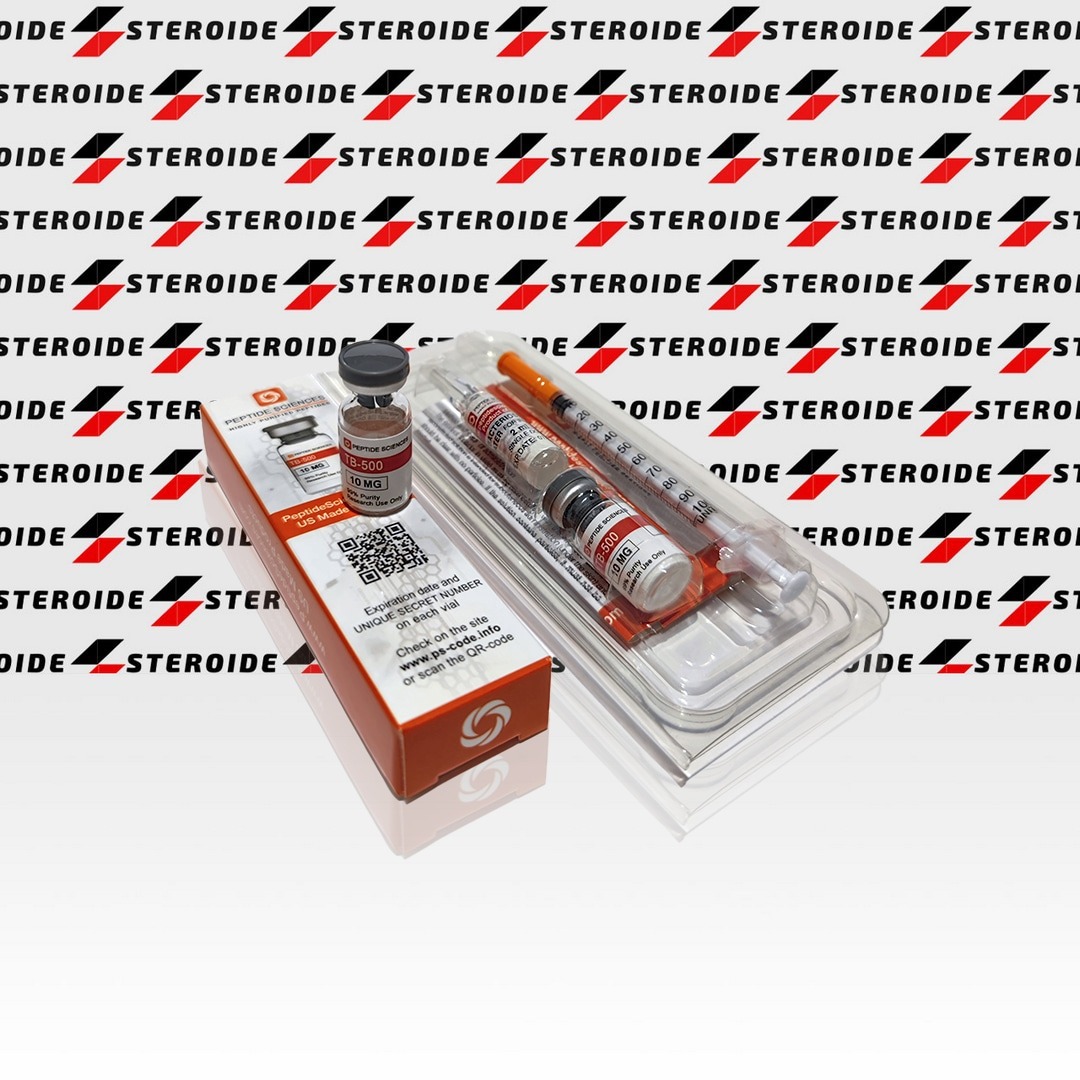
TB-500 10 mg Peptide Sciences — TB-500 from Peptide Sciences at 10 mg. Thymosin-beta-4 analog driving cell migration into injury sites plus capillary formation. Loading phase (2–2.5 mg 2×/week for 4 weeks) then maintenance.
Key Benefits
- Thymosin Beta-4 synthetic fragment — systemic wound-healing
- Weekly dosing (not daily) due to long tissue residence
- Pairs synergistically with BPC-157 for injury recovery
- No HPTA interaction, no hormonal side-effects
- Cold-chain storage; reconstituted stable 2–8 °C
- Each unit dosed at 10 mg — see Recommended Dosage below for protocol-specific intake
Recommended Dosage
Research dosing: loading phase 10–20 mg/week for 4 weeks, maintenance 2–5 mg/week. Inject SubQ anywhere — TB-500 distributes systemically. Cycles 6–12 weeks.
How It Works
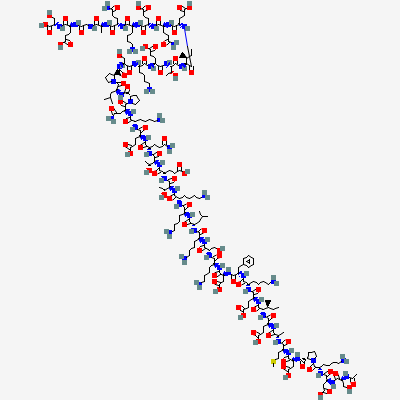
Synthetic 43-amino-acid peptide, fragment of thymosin beta-4 (a naturally-occurring actin-regulator). Mechanism: promotes cell migration to injury sites, supports angiogenesis, reduces inflammation systemically. Works on non-overlapping pathways with BPC-157.
Pharmacokinetics
Plasma half-life approximately 2–3 days. Long tissue residence allows weekly dosing. Reconstituted vial stable in fridge for 4–6 weeks.
Potential Side Effects
Very favourable profile. Mild injection-site reactions. No hormonal or HPTA impact. No PCT required. Some users report mild lethargy during loading phase — resolves.
Cycle & Stacking Guide
Loading 10–20 mg/week × 4 weeks, then 2–5 mg/week maintenance. Often stacked with BPC-157 at 250 mcg/day. Used alongside heavy AAS cycles for joint-tendon protection, or standalone post-injury.
Manufacturer Notes
Peptide Sciences — research-only peptide specialist with HPLC documentation shipped on every vial.
Storage & Handling
Lyophilised (freeze-dried) form: stable at 2–8 °C in the sealed vial for the duration printed on the label. After reconstitution with bacteriostatic water, store reconstituted solution at 2–8 °C and use within 30 days. Do not freeze reconstituted peptide — ice crystals denature the molecule. Keep out of reach of children. For research and educational purposes only.


Reviews
There are no reviews yet.