Bpc 157
-
CAS
137525-51-0 - Formula C62H98N16O22
- Half-life Estimated 4 hours
Clinical Notes
Pentadecapeptide fragment of a human gastric juice protein (Body Protection Compound). Mechanism of action is incompletely characterised — documented effects include VEGFR-2 upregulation, NO-pathway modulation, and acceleration of tendon fibroblast proliferation in animal models. Human efficacy data is limited to case-series and off-label clinical reports; rigorous RCT data does not yet exist. Clinical picture consistent across anecdotal reports: accelerated soft-tissue healing (tendon, ligament) at 250–500 mcg/day subcutaneous; measurable effect on GI integrity (gastritis, inflammatory bowel reports). Site-specific subcutaneous injection close to the injury location is the empirical standard. Shelf-life post-reconstitution with bacteriostatic water is 4–6 weeks refrigerated. No documented side-effect profile at standard doses.
Chemical Identity
| CAS Number |
137525-51-0 |
|---|---|
| IUPAC Name | L-Valyl-L-lysyl-L-lysylglycyl-L-alanylglycyl-L-seryl-L-threonyl-L-prolyl-L-cysteinylglycylglycyl-L-lysyl-L-leucine (pentadecapeptide BPC-157) |
| Molecular Formula | C62H98N16O22 |
| Molecular Weight | 1419.53 g/mol |
| Melting Point | N/A (peptide) °C |
| Solubility | Soluble in water |
| Half-life | Estimated 4 hours |
Pharmacological Profile
| Aromatisation | None |
|---|---|
| Hepatotoxicity | None |
Known trade names
- BPC-157
- Body Protection Compound
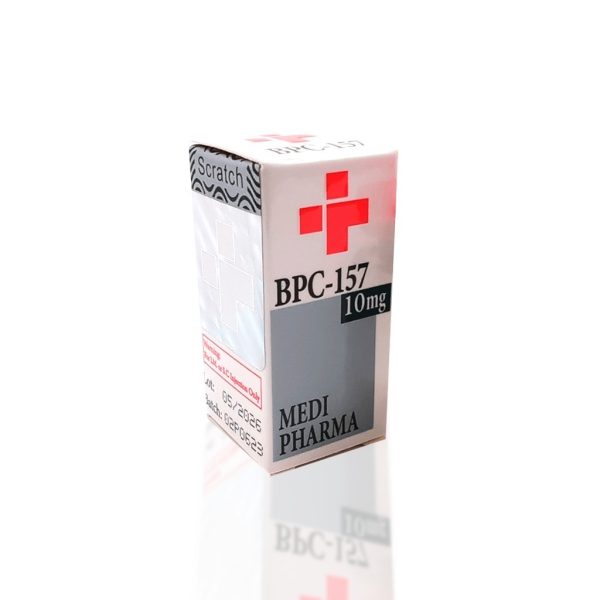
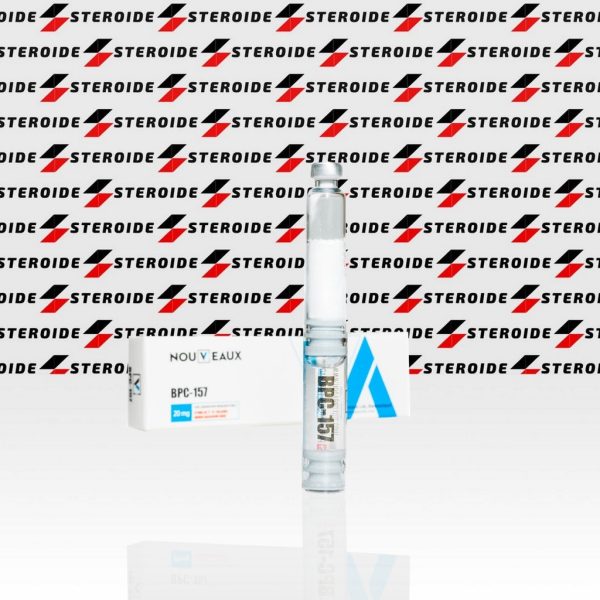
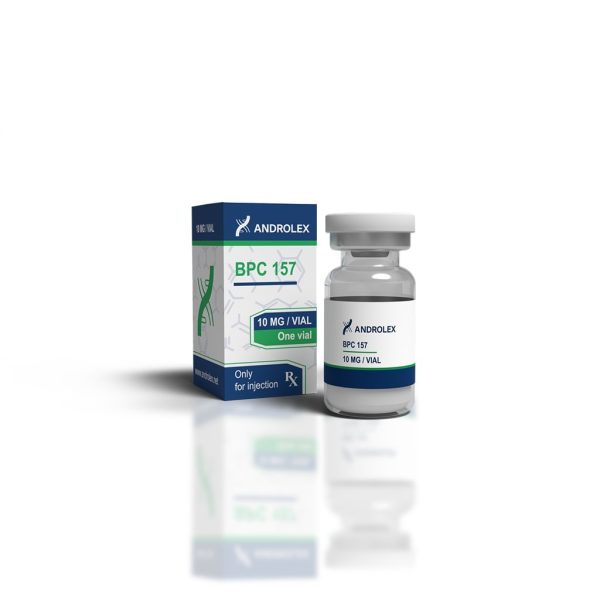
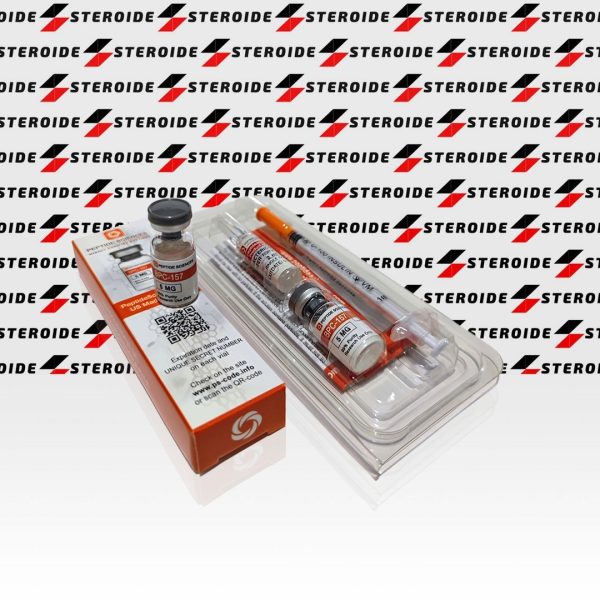
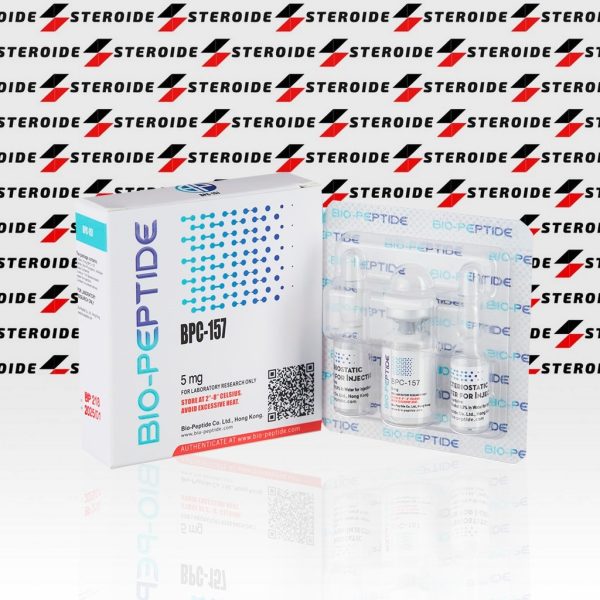
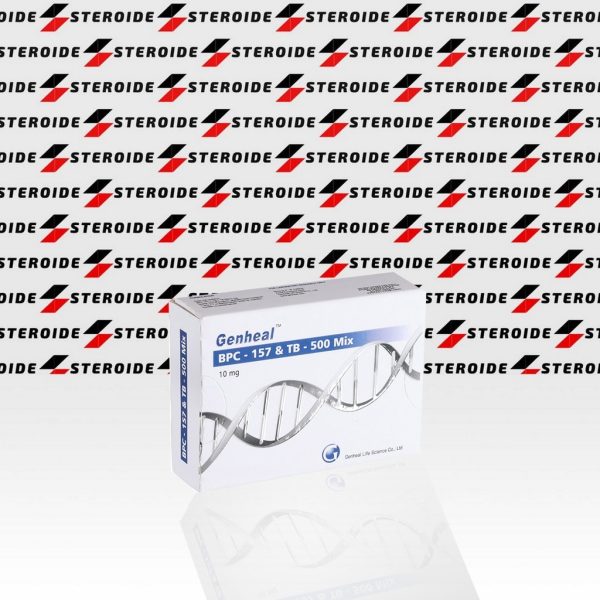
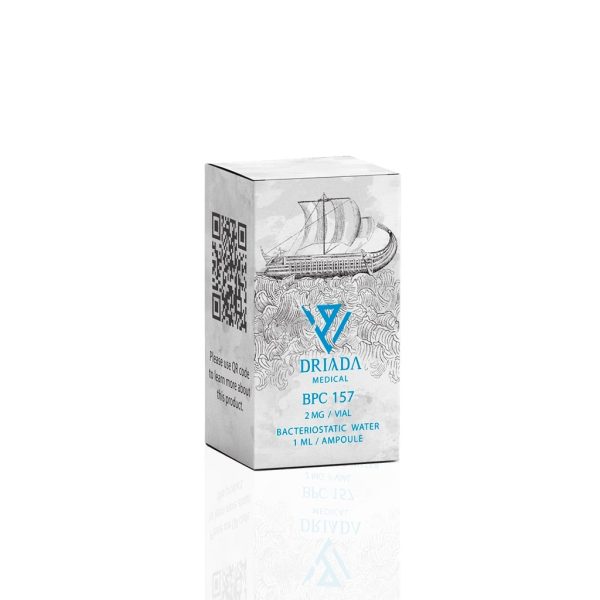
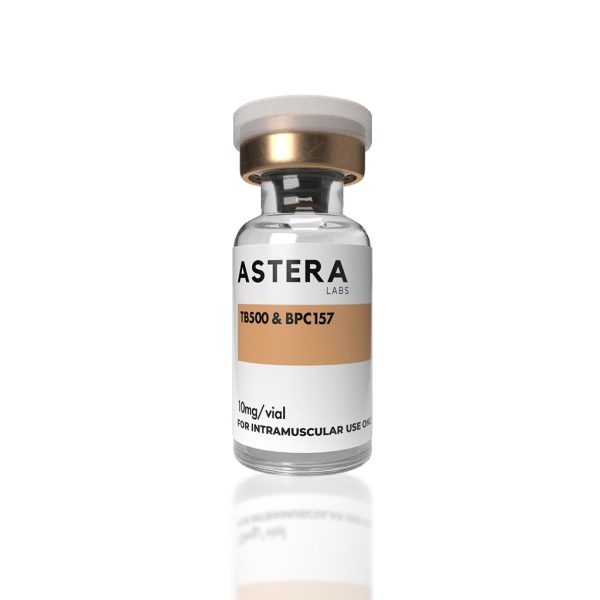
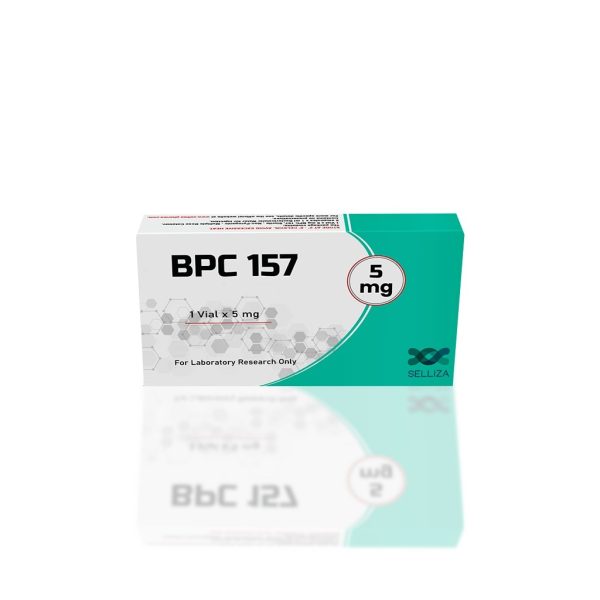
Products containing Bpc 157
Cycles using this compound
External references
Data sourced from peer-reviewed pharmacological literature and authoritative chemical databases (PubChem, DrugBank, ChEBI). Provided for identification and research reference only — not medical advice.